
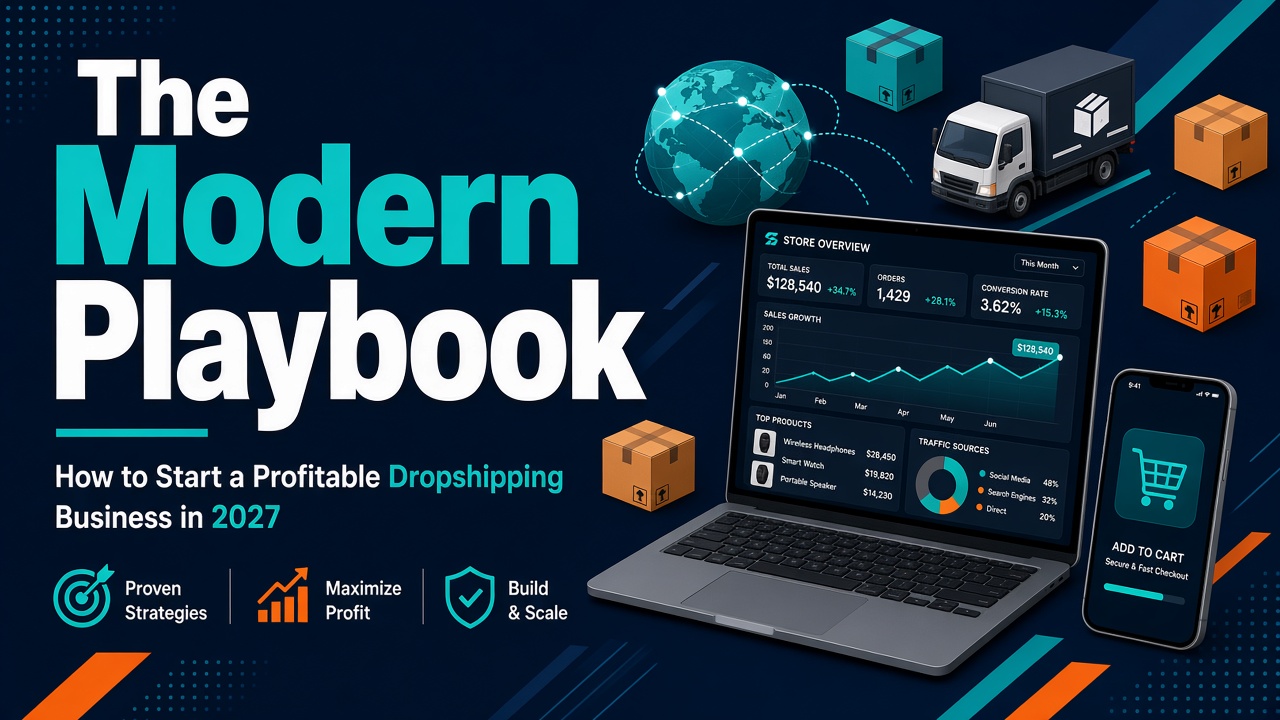
The Modern Playbook: How to Start a Profitable Dropshipping Business in 2027
Dropshipping has undergone a complete transformation. The days of launching a generic single-product site filled with AliExpress knockoffs, running unoptimized Facebook ads, and forcing buyers to wait four weeks for delivery are gone.
Entering 2027, e-commerce rewards brands built on agility, authentic curation, transparent customer care, and adaptable store architecture. If you are looking to enter e-commerce without holding warehouse inventory, here is the complete blueprint to launch and scale a sustainable dropshipping enterprise using a high-performing multipurc website foundation.
1. Understand the 2027 Dropshipping Landscape
Before choosing a single product, you need to understand the structural shifts that define current e-commerce:
- AI-First Discovery & Search: Shoppers no longer rely solely on search engine text queries. AI shopping agents and multi-modal assistants index and recommend stores based on structured data, verifiable reviews, and technical consistency.
- Fast, Localized Fulfillment: Customers demand delivery windows between 2 to 5 business days. Dropshippers now partner with local warehousing hubs, domestic distributors, and private fulfillment centers across North America, Europe, and Asia.
- Hyper-Transparent Policies: Strict marketplace regulations and rising consumer standards mean unclear return rules or hidden tariffs kill conversion rates.
2. Pinpoint High-Margin, Problem-Solving Niches
Avoid racing to the bottom on price. The sweet spot in 2027 lies in catalog categories that offer distinct emotional appeal, functional daily utility, or recurring replacement needs:
- Smart Living & Eco-Tech: Modular desk gear, energy-saving smart home controllers, and zero-waste daily consumer goods.
- Active Recovery & Wellness: At-home physical therapy aids, ergonomic seating equipment, and longevity lifestyle tools.
- Specialized Pet Enrichment: Interactive smart feeders, GPS-integrated collars, and orthopedic pet health gear.
- Hobbyist Curation: Specialized equipment for indoor gardeners, mechanical keyboard modders, or boutique outdoor explorers.
Target products with a perceived value enabling healthy gross margins of 40% to 60% to absorb paid media costs and regional fulfillment overhead.
3. Build Your Storefront on a Multipurc Website Architecture
Building a rigid, single-product storefront creates an operational dead end: if the trend fades, your entire site becomes useless. Modern dropshipping requires an adaptable, multipurc platform.
A multipurc website provides a flexible digital infrastructure that handles multiple product categories, custom landing funnels, and varied item variations under a cohesive lifestyle identity.
Why a Multipurc Foundation is Essential:
- Rapid Trend Pivotability: With a multipurc setup, you can test a wellness gadget on Monday and an ergonomic office accessory on Friday without re-registering domains or rebuilding site themes from scratch.
- Higher Average Order Value (AOV): Unlike single-item stores, a multipurc framework supports cross-category product bundling, dynamic upsells, and related lifestyle recommendations directly on the cart page.
- Long-Term Brand Equity: It lets your business grow from an experimental dropshipping testbed into a verified direct-to-consumer (DTC) department or lifestyle brand.
Selecting Your Multipurc Tech Stack:
- Shopify / WooCommerce: Choose robust, ultra-fast themes built explicitly for multipurc applications (such as modular, section-based themes like Kalles, Wokiee, or Flatsome).
- Modular Block Builders: Use native block architectures to deploy custom landing pages for paid ads while retaining a cohesive general catalog for organic traffic.
- Integrated Payments & Wallets: Support instant one-click checkouts—Apple Pay, Google Pay, Shop Pay, and localized bank transfers.
4. Source from Reliable, Automated Suppliers
Ditch untracked overseas suppliers. In 2027, winning merchants rely on vetted supplier networks with direct API connections:
- Direct Private Agents & 3PLs: Sourcing agencies (like HyperSKU, Wiio, or private sourcing agents) connect directly to factories and hold pooled inventory in regional hubs.
- On-Demand Platforms: Tools like Spocket, Syncee, and AutoDS connect you with local suppliers in the US, UK, and EU, guaranteeing short shipping intervals.
- Quality Vetting: Always order test samples before listing an item. Verify unboxing aesthetics, inspect durability, and record authentic, proprietary media for your ad creative.
5. Craft High-Converting Product Pages
A multipurc site must provide tailored, high-converting product detail pages:
- 3D Visuals & Native Video Demos: Short-form, practical video clips showing the item in action eliminate skepticism faster than static mockups.
- Dual-Layer Copywriting: Write benefits-first headlines for fast skimmers, paired with detailed specifications, dimensions, and usage directions for analytical buyers.
- Authentic Social Proof: Import verified customer photo and video testimonials. Display clear, regional shipping countdown badges and painless return guarantees.
6. Traffic Acquisition in 2027: The Multi-Channel Engine
Relying on a single ad channel leaves your margins vulnerable to algorithm shifts. Implement a balanced customer acquisition engine:
Short-Form Organic & Creator Seeding
Micro-creators dominate user attention. Send samples to nano-influencers on TikTok, YouTube Shorts, and Instagram Reels. User-generated content (UGC) showing authentic reactions provides both organic reach and high-converting creative assets for your paid campaigns.
Algorithmic Paid Advertising
Run broad, creative-focused ad campaigns on Meta Advantage+ and TikTok Smart Performance Campaigns. Modern algorithms optimize targeting based on your creative assets rather than narrow demographic toggles. Test 3 to 5 video angles weekly—focusing on problem/solution hooks, comparison reviews, and aesthetic demonstrations.
Search & Generative Engine Optimization (GEO)
Set up clean product schema markup (structured JSON-LD) so AI shopping engines recommend your multipurc store's products when users ask conversational buying questions.
7. Operational Discipline: Retention and Customer Care
Conversion gets the first sale; retention and service create net profitability.
- Autonomous Support Desks: Deploy intelligent AI-driven support bots trained on your shipping and return documents to handle 80% of routine tracking and sizing questions instantly.
- Post-Purchase Sequences: Use automated email and SMS journeys to send immediate order confirmations, real-time dispatch updates, and personalized post-delivery usage guides.
- Lifecycle Re-engagement: Leverage the breadth of your multipurc catalog by emailing customers complementary accessories and seasonal collections 14 to 30 days after their first purchase.
Final Launch Checklist
| Milestone | Key Action Item | Target Timeline |
|---|---|---|
| Market Research | Validate 3–5 complementary products solving clear pain points | Days 1–3 |
| Sample Vetting | Order products; test packaging, materials, and shipping speed | Days 4–10 |
| Store Infrastructure | Launch a fast multipurc theme with custom landing layouts | Days 11–15 |
| Content Production | Film 5–10 UGC-style creative hooks with test samples | Days 16–18 |
| Campaign Testing | Launch automated ad tests and creator outreach campaigns | Days 19–21 |
| Scale & Optimize | Cut losing ad variants, double down on winning creative, and refine supplier margins | Day 22+ |
Dropshipping remains one of the most accessible vehicles for online commerce, provided you treat it as an authentic modern retail business. By backing your venture with an adaptable multipurc website, domestic shipping standards, and a customer-centric brand strategy, you can turn a low-overhead store into a scalable, lasting commercial asset.