
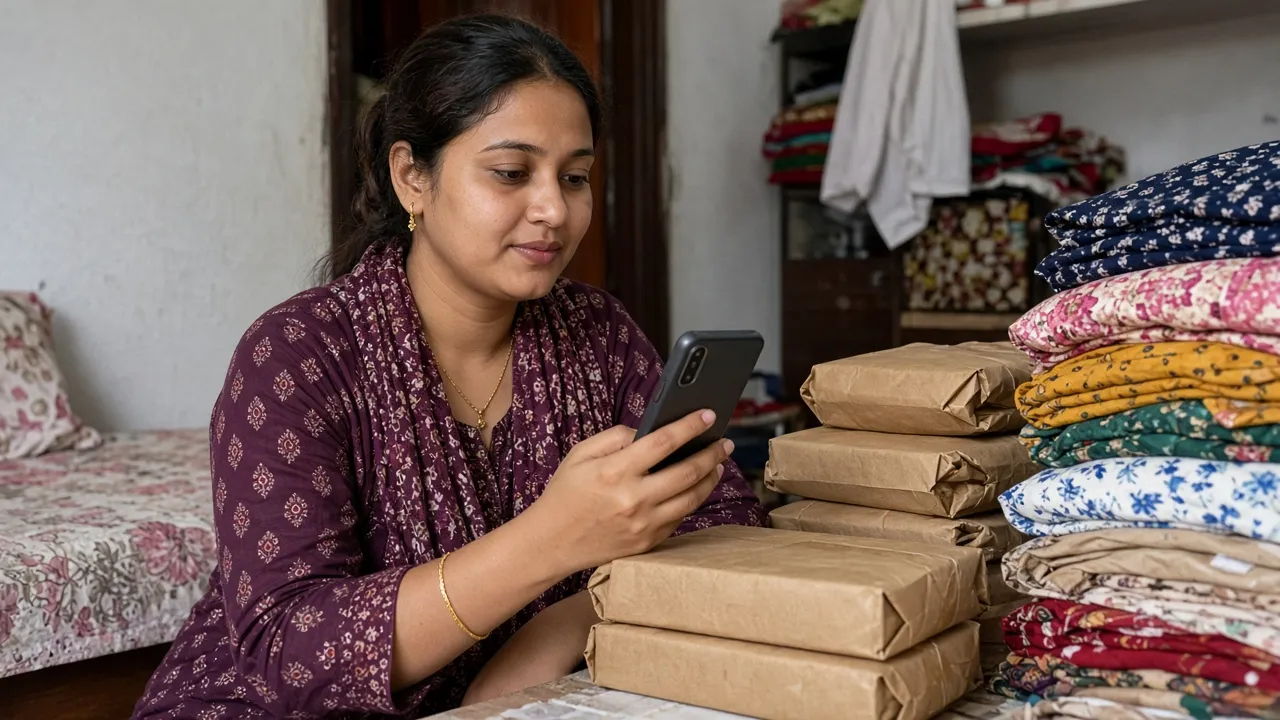
If you have ever bought a dress, a gadget or homemade food through a Facebook page, you have taken part in f-commerce in Bangladesh.
If you have ever bought a dress, a gadget or homemade food through a Facebook page, you have taken part in f-commerce in Bangladesh. Facebook commerce has become one of the most common ways for small businesses in the country to start selling online, because it needs almost no upfront investment and the customers are already there. But as a page grows, the same simplicity that made it easy to start begins to hold it back. This guide explains what f-commerce is, how it works in Bangladesh, its strengths and risks, and how to scale it with your own website.
What Is F-commerce?
F-commerce (Facebook commerce) means buying and selling products through Facebook: business pages, groups, Marketplace, Messenger and live videos. A seller posts product photos or goes live, buyers comment or send a message, the seller confirms the order manually, and a courier delivers the parcel. Payment is usually cash on delivery (COD) or mobile financial services such as bKash.
The key difference from traditional ecommerce is the absence of a structured checkout. On a website, the customer adds items to a cart and places the order themselves. In f-commerce, almost every order goes through a conversation.
Why F-commerce Took Off in Bangladesh
- Zero setup cost. Creating a Facebook page is free.
- The audience is already there. Facebook is part of daily life for a very large number of people in the country.
- Trust through conversation. Buyers can ask questions and see who they are dealing with.
- Live selling. Showing products on video builds confidence and creates urgency.
- Low capital. Many sellers begin with a handful of products, pre-orders or home production.
This made f-commerce especially popular among students, homemakers and first-time entrepreneurs.
How to Start an F-commerce Business
1. Choose a focused niche
Pick a category you understand and can supply reliably, such as clothing, cosmetics, handicrafts, home-cooked food or accessories. A focused page builds a clearer identity than one selling everything.
2. Set up a professional page
Use a unique, memorable name, a clean logo and a cover photo that shows what you sell. Fill in the About section with your phone number, delivery areas and policies.
3. Create good content
Bright, sharp photos, short videos and clear descriptions sell better. Always show the price. "Inbox for price" posts frustrate many buyers and reduce trust.
4. Define an ordering process
Collect the same details every time: name, phone, full address, product, size and quantity. A consistent process reduces mistakes.
5. Offer the right payment options
COD remains popular, but offering bKash or other digital payments for advance payment can reduce fake orders. On your own website you can take advance payment online through a gateway such as SSLCommerz.
6. Partner with a courier
Choose a reliable courier, set clear delivery charges inside and outside Dhaka, and share tracking information with buyers.
7. Promote consistently
Post regularly, go live, share genuine reviews and use Facebook ads when you are ready to spend on growth.
The Limits of Facebook-only Selling
As order volume grows, sellers commonly run into these problems:
- Inbox overload. Answering the same questions about price, size and delivery all day.
- Lost orders. Messages get buried and orders are missed or duplicated.
- Manual bookkeeping. Tracking stock and orders in notebooks or spreadsheets leads to errors.
- Platform risk. If a page is hacked, restricted or loses reach after an algorithm change, sales can drop overnight.
- Fake COD orders and returns. Unconfirmed orders cost courier fees and time.
- No search visibility. Facebook posts rarely rank on Google as product listings.
- Weak brand ownership. Your customer list and storefront depend on a platform you do not control.
When to Add Your Own Website
Consider a website when:
- You receive more orders than you can comfortably handle in Messenger
- Your catalogue has grown and customers struggle to find products
- You want to accept online payments automatically
- You want customers from Google search, not only Facebook
- You want your brand to look more established
You do not need to abandon Facebook. The most effective model is Facebook for discovery and conversation, website for ordering and payment. Each post links to a product page, the customer checks out on their own, and you spend your time on fulfilment and marketing instead of copying addresses from chats. Read more in our article From F-commerce to Website.
Building Your Store With Multipurc
Multipurc is a multi-store ecommerce platform built for Bangladeshi sellers. Without writing code you can:
- Choose a ready-made theme from the theme gallery
- Add products with variants, images and stock
- Accept Cash on Delivery and online payment through SSLCommerz via plugins
- Connect couriers such as Pathao and Steadfast
- Manage every order in one dashboard
If you sell fashion on Facebook, open our Fashion House demo store to see how your products could look on a proper storefront.
Practical Tips to Grow F-commerce Sales
- Use saved replies for common questions to respond faster.
- Confirm COD orders by call or message before shipping.
- Share real customer reviews with permission.
- Plan a content calendar for new arrivals, offers and live sessions.
- Separate business and personal money to see real profit.
- Secure your page with two-factor authentication and limited admin access.
- Link every post to your website once you have one.
Frequently Asked Questions
What does f-commerce mean?
F-commerce means selling products through Facebook pages, groups, Marketplace and Messenger, with orders usually confirmed manually.
Is f-commerce legal in Bangladesh?
Selling on Facebook is a normal business activity, but you should follow the same rules as any business, such as obtaining a trade licence where required. Check the latest requirements with the relevant authority. See our trade licence guide.
Is f-commerce better than a website?
They serve different purposes. Facebook is excellent for reach and conversation; a website is better for structured ordering, payments, search visibility and brand ownership. Most growing businesses use both.
How can I reduce fake COD orders?
Confirm orders before shipping, ask for partial advance payment on high-value items, and keep a record of customers who repeatedly refuse parcels.
Can I move my Facebook products to a website easily?
Yes. On Multipurc you can add products through the dashboard and then share product links on your page.
Conclusion
F-commerce in Bangladesh opened online selling to almost everyone, and it remains a powerful way to start. But a business that depends entirely on a single Facebook page carries real risk and hits a ceiling on efficiency. Pairing your page with your own website gives you structured orders, online payments, Google visibility and a brand you own. Start your store with Multipurc today, or contact our Dhaka team at [email protected].